Shavuot begins at sundown on May 21 and runs through May 23, 2026. It’s one of Judaism’s important holidays, but if you’ve never heard of it, or only know it as “the cheesecake holiday,” you’re not alone. Here’s what you need to know (and why you might want to have dessert ready).
What is Shavuot?
Shavuot (also spelled Shavuos, and sometimes called the Feast of Weeks or Festival of Weeks) is a Jewish holiday that falls on the 6th of Sivan, the Hebrew month that lands in late May or early June on the Gregorian calendar. This year, it’s May 21.
The Hebrew word “Shavuot” means “weeks,” and the name points directly to how the holiday is calculated. It arrives exactly seven weeks after Passover, at the end of the counting of the Omer, that 49-day period between the two holidays. Shavuot marks the culmination of that count.
But what is it actually celebrating? Two things, really. First, it’s an agricultural festival rooted in ancient times, when the wheat harvest was at its peak in the land of Israel. Second, and more centrally in modern Jewish tradition, it commemorates the giving of the Torah to the Israelites at Mount Sinai. In other words: the moment when, according to tradition, the Jewish people received the Ten Commandments and everything that came with them.
Shavuot is also one of the three pilgrimage festivals in Judaism, alongside Passover and Sukkot. In ancient times, Jewish people would travel to Jerusalem and the Holy Temple to bring offerings. Today, most of us mark it closer to home, but the holiday still carries that same sense of arrival and meaning.
The Feast of Shavuot
Long before Shavuot became associated with the Torah, it was a harvest holiday. In ancient Israel, it marked the end of the barley harvest and the beginning of the wheat harvest. Jewish people would bring bikkurim, their first fruits and first grains, to the Holy Temple in Jerusalem as an offering of gratitude. The book of Deuteronomy describes this practice in detail, and it’s where a lot of the holiday’s agricultural flavor comes from.
This is also where the Book of Ruth comes in. Ruth is traditionally read in synagogue on Shavuot, and the connection is partly agricultural: the story takes place during the grain harvest, with Ruth gleaning leftover wheat from the fields. But there’s a deeper reason too. Ruth is a Moabite woman who chose to join the Jewish people and accept their traditions as her own, making her story a beautiful parallel to the Israelites accepting the Torah at Sinai. Her famous declaration, “Where you go, I will go,” is one of the most quoted lines in all of Jewish literature.
Ruth also happens to be the great-grandmother of King David, who according to tradition was born and died on Shavuot. That connection gives the holiday an additional layer of meaning in Jewish tradition, and it’s why you’ll sometimes hear King David’s name come up this time of year.
Why Do We Eat Dairy Foods on Shavuot?
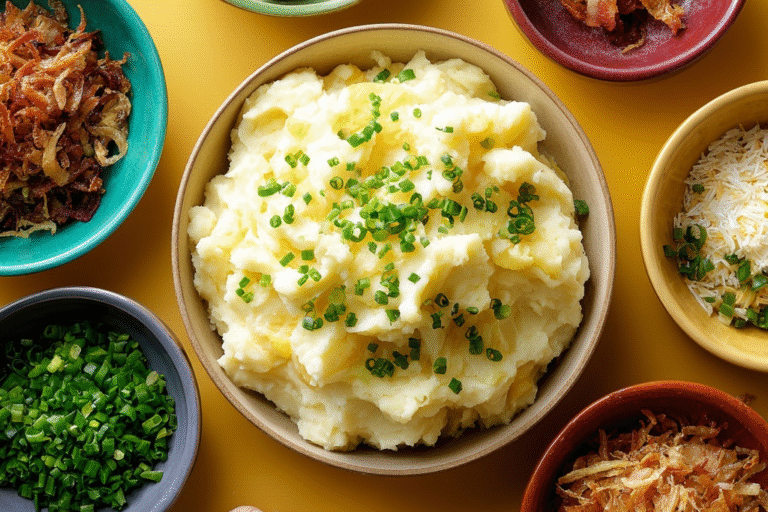
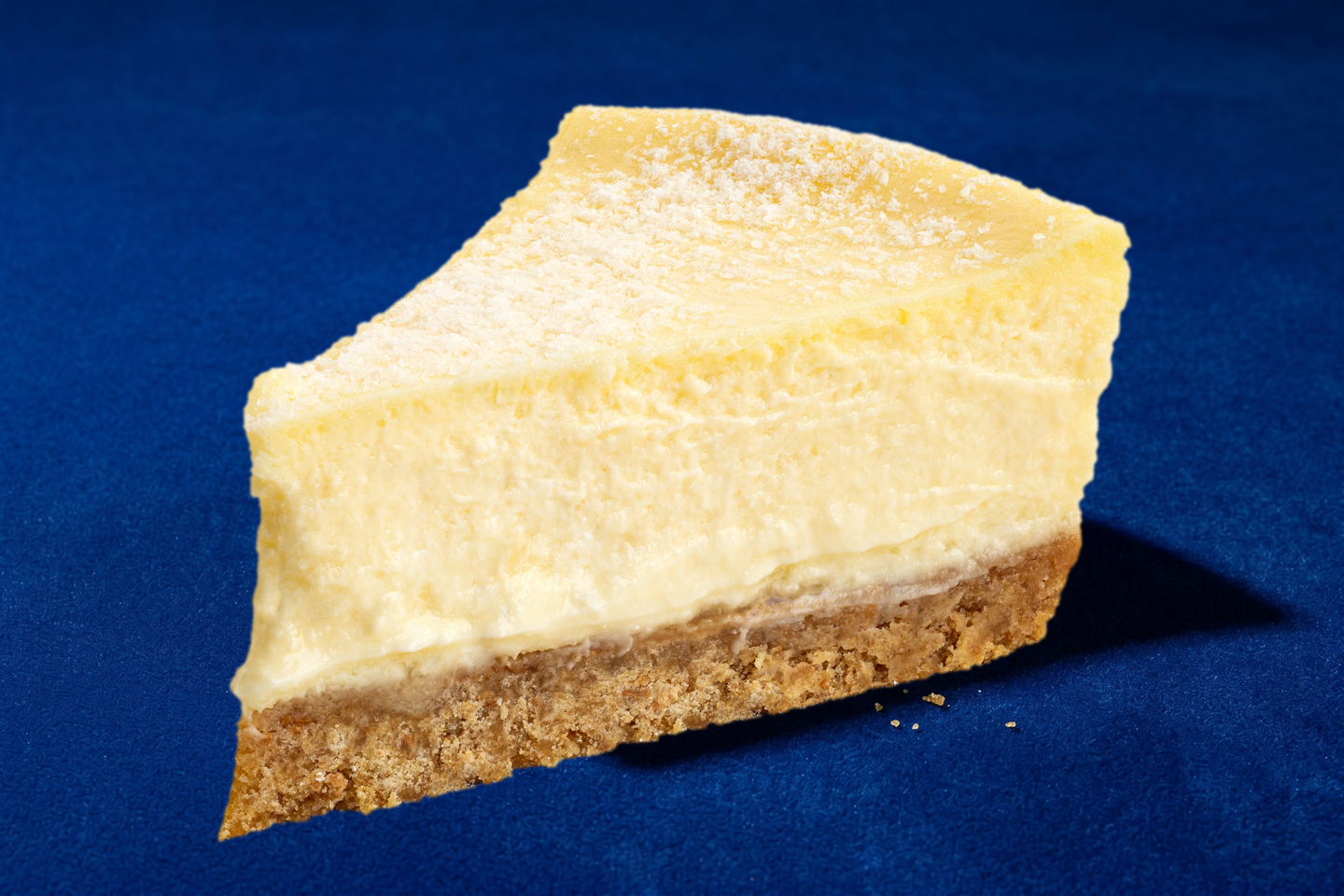
Here’s where things get delicious. Shavuot is famous for its dairy foods: cheese blintzes, cheesecake, cheesy casseroles, and anything else that involves a generous amount of cream cheese. If you’ve ever been to a Shavuot celebration, you know that the dessert table is not messing around.
But why dairy? There are actually a few theories, and Jewish tradition being what it is, none of them has completely won out over the others.
One explanation is that when the Israelites received the Torah at Mount Sinai, they hadn’t yet learned the kosher laws about separating meat and dairy. Since they couldn’t immediately prepare meat according to the new rules, they ate dairy instead. A fresh start with fresh cheese, basically.
Another theory connects to a verse in the Song of Songs describing the Torah as “honey and milk under your tongue,” making dairy a kind of symbolic tribute to the sweetness of Jewish teaching.
A third explanation is agricultural: Shavuot falls in late spring, when animals are nursing their young and milk is plentiful. Dairy foods were simply what was available during the grain harvest season.
Whichever explanation resonates with you (or even if none of them do), the result is the same: a dairy meal on Shavuot is a genuine tradition, and it gives everyone an excellent reason to make cheesecake.
How to Celebrate Shavuot
One of the most beloved Shavuot traditions is Tikkun Leil Shavuot, which translates roughly as “rectification of the night of Shavuot.” The idea is to stay up all night studying Torah and Jewish texts. Synagogues, Jewish community centers, and study groups around the world host all-night learning sessions on the first night of the holiday. Topics range from Torah and Talmud to Kabbalah, philosophy, social justice, and everything in between. Some sessions are traditional, some are wildly creative. In cities like New York, you can find Tikkun Leil Shavuot events that run until sunrise.
The legend behind this tradition is that the Israelites overslept the morning the Torah was given at Mount Sinai, and God had to wake them up. Staying up all night is a way of making up for it. Whether or not you take that literally, it’s a pretty charming reason to pull an all-nighter.
During Tikkun Leil Shavuot, texts like the Song of Songs are often studied alongside Torah portions and other Jewish writings. The range of what gets covered reflects just how vast Jewish learning can be.
Synagogue services on Shavuot typically include a reading of the Ten Commandments, which is one of the more dramatic moments in the Jewish liturgical year. If you’ve never been to synagogue for it, this is a good one to try. Many synagogues also decorate with greenery and flowers to honor the agricultural roots of the holiday, so the aesthetic is fresher than your average service.
Outside of formal observance, there are plenty of low-key ways to mark the day. Make a dairy meal. Read the Book of Ruth (it’s short, it’s beautiful, and it’s genuinely one of the best things in the Hebrew Bible). Learn one new thing about Jewish tradition. Eat cheesecake. All of these count.
Frequently Asked Questions
When is Shavuot 2026? Shavuot 2026 begins at sundown on May 21 and ends the night of May 23. In the diaspora, many Jewish communities observe two days of Shavuot rather than one.
What does Shavuotccelebrate? Shavuot marks two things: the ancient wheat harvest in the land of Israel, and the giving of the Torah to the Israelites at Mount Sinai. In modern Jewish tradition, the Torah connection tends to take center stage.
Is Shavuot Pentecost? They’re related but not the same. Both holidays fall 50 days after their respective spring festivals (Passover for Shavuot, Easter for Pentecost) and share ancient roots in the Jewish harvest calendar. Early Christian practice drew on Jewish tradition, including Shavuot, in developing Pentecost. In the New Testament, the events of Pentecost take place in Jerusalem during what would have been the Shavuot pilgrimage festival, when Jewish people from across the diaspora had gathered in the city. Today they’re distinct holidays celebrated by different communities with different meanings, but the historical connection is real and significant.
What is bikkurim? Bikkurim were the first fruits and grains that Israelites brought to the Holy Temple in Jerusalem as an offering during Shavuot in ancient times. It’s one of the holiday’s oldest agricultural traditions, described in the Book of Deuteronomy.
Why is the Book of Ruth read on Shavuot? A few reasons. The story takes place during the grain harvest, connecting it to Shavuot’s agricultural roots. Ruth’s choice to embrace Jewish tradition mirrors the Israelites accepting the Torah at Sinai. And Ruth is the great-grandmother of King David, who tradition holds was born and died on Shavuot.
What is Tikkun Leil Shavuot? It’s the tradition of staying up all night on the first night of Shavuot to study Torah and Jewish texts. The practice is observed in synagogues and Jewish communities around the world. Sessions can range from traditional religious study to more open-ended explorations of Jewish thought, history, and culture.
Do I have to go to synagogue for Shavuot? Nope. Like most Jewish holidays, there’s a spectrum of how people observe it. Synagogue services are meaningful if that’s your thing, but eating dairy foods, reading the Book of Ruth, or simply knowing what the holiday is about are all valid ways to connect with it.
What’s the connection between Shavuot and Passover? Shavuot falls exactly 50 days after the second day of Passover, at the end of the counting of the Omer. If Passover marks the physical liberation of the Israelites from Egypt, Shavuot marks the spiritual moment that followed: receiving the Torah at Mount Sinai. The two holidays are deeply linked, which is part of why the counting period between them matters. You can learn more about Passover here.
Want more Jewish holidays, traditions, and zero JewBarrassment? Sign up for the JewBelong newsletter and we’ll bring it all straight to your inbox.