rosh hashanah 2026
the jewish new year
What is Rosh Hashanah?
Rosh Hashanah is the Jewish New Year and marks the beginning of the High Holidays (or High Holy Days). Then come the Ten Days of Awe, followed by Yom Kippur, a day of atonement marked by fasting and introspection. In 2026, Rosh Hashanah begins at sunset on September 11.
Unlike Times Square on December 31st, Rosh Hashanah is a lot more introspective, and meaningful. At the core, it’s about cleaning up things in your life so you can start the New Year with a fresh slate.
A good way to get started is by asking yourself where you’re hitting the mark and where you need some adjusting. It’s not a coincidence that Rosh Hashanah is also about the trifecta of forgiveness: apologizing, forgiving, and receiving forgiveness. Making amends with loved ones and even forgiving yourself can be the most powerful part of the holiday.
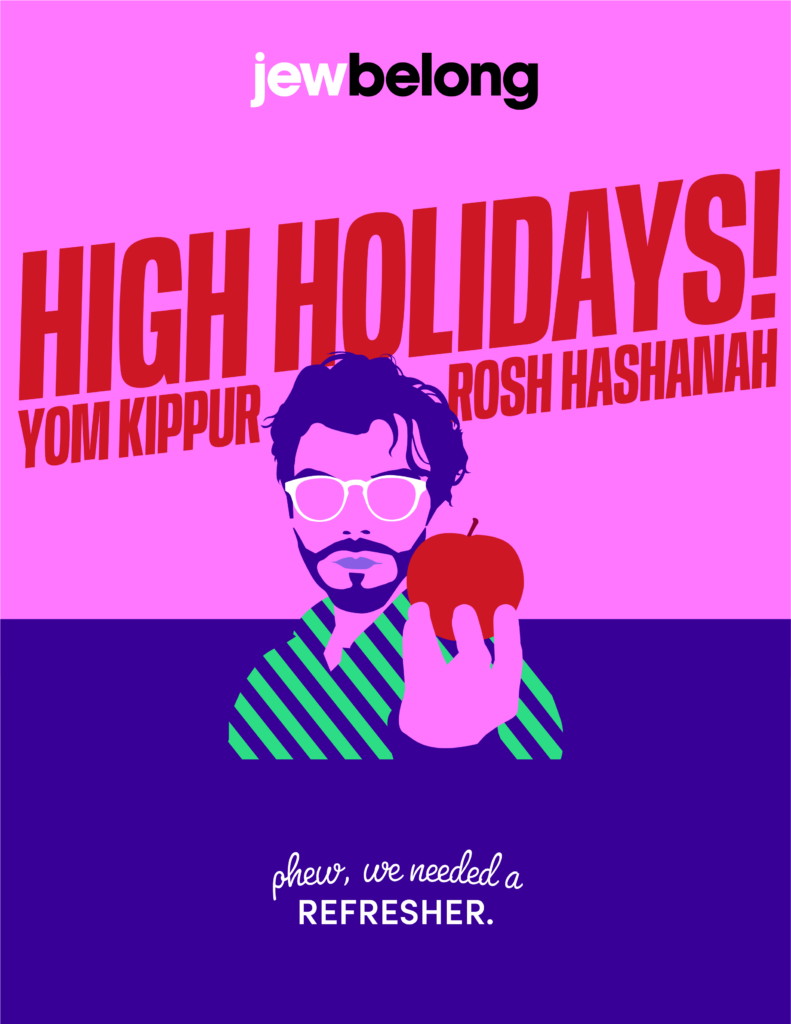
Sound overwhelming? Our High Holidays booklet can guide you through it all.
when is rosh hashanah 2026?
It seems like it's different every year!
Rosh Hashanah 2026 begins at sunset on Friday, September 11, and ends at nightfall on Sunday, September 13. Why does it feel like it changes every year? Because the Jewish calendar follows the moon, not the regular January-through-December situation. So yes, the dates move around. But the apples, honey, and chance to pause, reflect, and start fresh show up right on schedule.
rosh hashanah faqs
What is Rosh Hashanah?
Rosh Hashanah is the Jewish New Year. It’s a two-day holiday that celebrates the start of the Hebrew calendar year and begins the High Holidays, also known as the Days of Awe. Jewish tradition teaches that this is a time for reflection, personal growth, fresh starts, and taking stock of the past year. Also: round challah, apples dipped in honey, and a surprising amount of brisket.
Is Rosh Hashanah the Jewish New Year?
Yes. Rosh Hashanah literally means “head of the year” in Hebrew. It marks the beginning of the Jewish calendar year and is one of the holiest and most widely observed Jewish holidays.
How do you greet someone on Rosh Hashanah?
Wondered what to say to your husband’s aunt who always visits on holidays?
L’Shanah tovah. It’s Hebrew for ‘Have a good new year.’ Shanah is year, tov is good. Or say “Happy New Year” if you feel weird about the Hebrew.
What to do for Rosh Hashanah
Ch-ch-ch-ch-changes! If you’re like, well anyone ever, there are probably some things in your life you’d like to change about yourself. JewBelong’s Personal Roadmap will help you get real with yourself by asking questions like: If I knew I couldn’t fail, what would I try to accomplish? What important decision did I avoid making last year? For some of us, the Personal Roadmap is the most important part of the holiday. It can be transformative, especially when you share your answers out loud with someone.
Synagogue or nah?
If you’ve heard someone call themselves a “Twice-a-Year Jew,” it usually means they go to synagogue only on Rosh Hashanah and Yom Kippur. Honestly though, if you’re only going to attend twice a year, try mixing it up—maybe check out a Friday night service, you might be pleasantly surprised. And if you do go for Rosh Hashanah, the shofar’s sound is cool and can be a powerful wake-up call to do better in the new year.
Lots of people complain about having to buy tickets for High Holiday services. What they may not know is that most synagogues are actually sucking air when it comes to paying their bills. So be a mensch and buy tickets if you can. Also, tickets at some synagogues are really inexpensive so don’t just assume they’re going to cost a lot. If you can’t afford tickets but want to go to Rosh Hashanah services, call your local synagogue and see if you can go for a reduced price or even for free. The second day of Rosh Hashanah is always less crowded than the first day and is probably free, so go then.
Is there a prayer for the Jewish New Year?
Here is one of our favorite prayers:
May we hold lovingly in our thoughts those who suffer from tyranny, subjection, cruelty, and injustice, and work every day towards the alleviation of their suffering.
May we recognize our solidarity with the stranger, outcast, downtrodden, abused, and deprived, that no human being be treated as “other,” that our common humanity weaves us together in one fabric of mutuality, one garment of destiny.
May we pursue the Biblical prophet’s vision of peace, that we might live harmoniously with each other and side by side, respecting differences, cherishing diversity, with no one exploiting the weak, each living without fear of the other, each revering Divinity in every human soul.
May we struggle against institutional injustice, free those from oppression and contempt, act with purity of heart and mind, despising none, defrauding none, hating none, cherishing all, honoring every child of God, every creature of the earth.
May the Jewish people, the state of Israel, and all peoples know peace in this New Year, and may we nurture kindness and love everywhere.
-Rabbi John L. Rosove
Whether you grew up going to synagogue every week or you’re Googling “What is Rosh Hashanah?” right now, our High Holidays Booklet is here to help.
rosh hashanah essentials
how to celebrate rosh hashanah
tashlich
apologize (and forgive)
food and drink
Quick Rosh Hashanah BAsics
When is Rosh Hashanah 2026?
Rosh Hashanah 2026 begins at sunset on September 11 and ends at nightfall on September 13.
Traditional greeting
“Shanah Tovah” means “good year.”
Major traditions
Hearing the shofar, reflecting on the past year, gathering with loved ones, and beginning the High Holidays.
What does Rosh Hashanah mean?
Rosh Hashanah means “head of the year” in Hebrew and marks the Jewish New Year.
Classic Rosh Hashanah foods
Apples and honey, round challah, brisket, kugel, pomegranates, and honey cake.
What comes after Rosh Hashanah?
Rosh Hashanah begins the High Holidays and leads into Yom Kippur, the Day of Atonement
high holidays Booklet
JewBelong’s High Holidays Booklet helps you welcome Rosh Hashanah and Yom Kippur without needing to know everything already. It’s filled with traditional and modern readings, blessings, prayers, songs, and simple ways to reflect, reset, apologize, forgive, and begin the Jewish New Year with a cleaner slate.
Whether you’re very Jewish, kind of Jewish, Jew-ish, or just trying to make the holiday feel meaningful, this booklet gives you a place to start.