

Kosher for Passover cheat sheet
AKA what can I eat during Passover?
Passover is an eight-day Jewish holiday that commemorates the Israelites’ exodus from slavery in Egypt. The Four Questions are important, but this is the Passover question everyone really wants answered: Can I eat that during Passover?
For eight days, Jews everywhere become amateur food detectives, squinting at ingredient lists, texting friends, and Googling things like “are fries allowed on Passover?”
The one thing you actually need to know
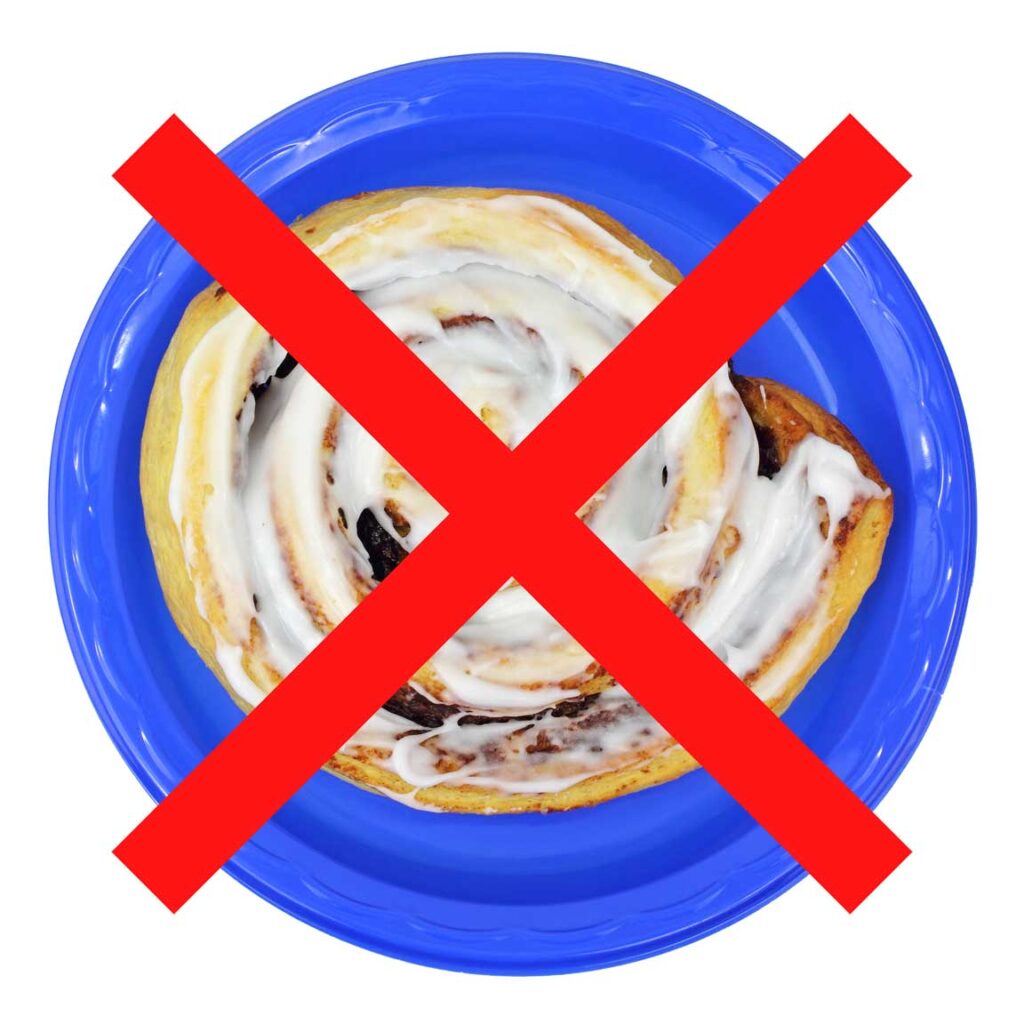
Chametz, which is any leavened food made from these five grains: wheat, barley, rye, oats, and spelt, is the key to what’s not allowed on Passover. That’s the main rule.
If a food contains chametz, it is not eaten on Passover. This includes things like bread, pasta, crackers, most cereals, and regular flour.
Everything else depends on family custom, tradition, and how strictly someone chooses to observe the holiday.
labels are the easiest hack
If you want to avoid guessing, look for a Kosher for Passover symbol like OU-P or OKP. It’s the easiest way to know a food is Passover-approved. Those symbols mean someone already checked the ingredients for you.

Kitniyot, aka the great carb debate
Kitniyot are foods that some Jewish communities avoid on Passover and others eat freely. Common examples include rice, corn, beans, lentils, peas, chickpeas, peanuts, soy, and seed oils.
Ashkenazi Jews, whose roots are in Eastern and Central Europe, traditionally avoided kitniyot for centuries.
Sephardic and Mizrahi Jews, whose roots are in Spain, North Africa, and the Middle East, traditionally ate kitniyot on Passover.
In 2016, Conservative Judaism said kitniyot are fine for everyone. Many Ashkenazi Jews agreed. Some did not. Family group chats got lively.
Our take? If eating rice while avoiding pasta helps you get through the week, we support you.
the foods everyone googles
These foods are listed in their basic, unprocessed form. Once you add breading, flour, or even fermentation, all bets are off.
definitely not kosher for passover
- Beer
No. Even if it tastes like water. Beer is made from fermented grains. - Couscous
Nope. It’s made from wheat. - Egg noodles
Also nope. Made from wheat. - Farro
Still nope. It’s a type of wheat. - Grain alcohol (bourbon, rye, scotch, most whiskey)
Nope. These are made from wheat, barley, or rye.
passover heroes
- Potatoes
Always kosher for Passover. Always clutch. Mashed, roasted, fried, latkes, all welcome. - Quinoa
Kosher for Passover. It’s a seed, not a grain. Calm down. - Tapioca
Yes. Made from cassava root. Boba lovers rejoice. - Vodka
If it’s potato-based, you’re good. Grain-based vodkas are not kosher for Passover. - Wine
Kosher for Passover. Look for Passover certification. L’chaim. - Tequila
Generally kosher for Passover since it’s made from agave. Check that it wasn’t aged in bourbon barrels.
Non-Food Things People Sometimes Panic About
- Baking powder, baking soda, dish soap, foil, cleaning products
You’re fine. These aren’t food. - Toothpaste and mouthwash
Don’t eat it. Otherwise, you’re good. - Medication and vitamins
Ask your doctor. - Nicotine pouches
Generally not kosher for Passover. - Weed
We get it. Just watch your edibles. Gummies and baked goods may contain wheat or other grains.
Final note
Passover is about freedom, not suffering. If you’re trying, you’re doing enough. If you’re confused, you’re Jewish enough.
Happy Passover!
the jewbelong passover haggadah
Getting ready for Passover? Our JewBelong Passover Haggadah is written for people who want to host a kickass Seder that is unique, meaningful and fun!