One holiday. Eight nights. Approximately 47 spellings.
Hanukkah lasts eight days, and somewhere around the third night, most people start wondering what exactly they’re supposed to be doing with the other five. Here’s the whole stretch, night by night, plus why it’s eight days in the first place. No JewBarrassment.
For more, download our free Hanukkah booklet for the blessings in Hebrew and English, a short reading for each night, songs, and a couple of skits worth acting out.
Eight days or eight nights?
You’ll see both, and both are right. Hanukkah (or Chanukah, which is demanding a recount) is an eight-day holiday, and because Jewish days begin at sundown rather than at midnight, you light candles on eight nights. So the first candle goes up the evening before the first full day of the holiday, which is why you’ll see Hanukkah dates listed as starting “at sundown on” a particular date.
That’s the whole mystery. Eight days, eight nights, same holiday. If someone in your family says nights and someone else says days, nobody is wrong and nobody needs to be corrected at dinner. Or brunch.
Why eight?
The famous answer is the miracle of the oil. When the ancient Temple in Jerusalem was rededicated, there was only enough consecrated olive oil to keep the lamp burning for a single day, but somehow it lasted eight. That version of the story comes from the Talmud, the enormous collection of Jewish law and commentary compiled centuries after the events themselves. It’s the reason the holiday is known as the Festival of Lights, and the reason nearly everything you eat this week is fried.
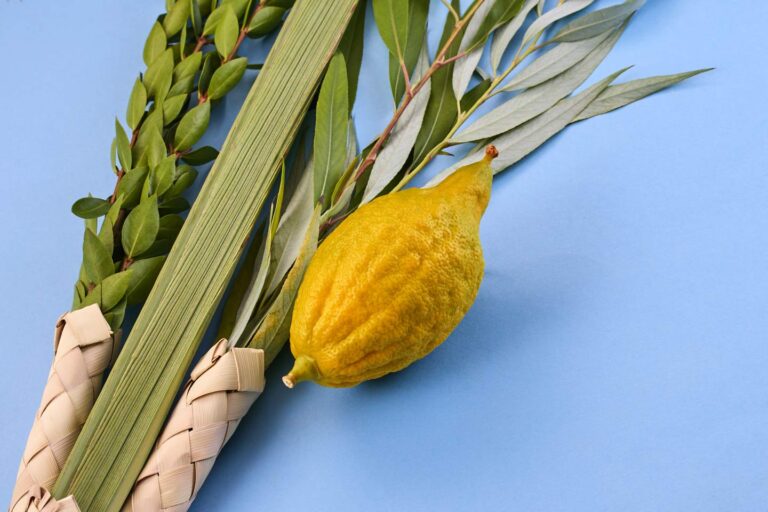
There’s a second answer that rarely makes the highlight reel. The Maccabees had missed Sukkot, Judaism’s fall harvest festival, while they were busy fighting the Greeks – so their eight-day Feast of Dedication celebration of the Temple’s rededication (as it was originally called) was essentially a Sukkot do-over. The miracle-of-the-oil story came centuries later and eventually got top billing. Judaism loves a good plot twist.
When is Hanukkah falls and why does the date move?
Hanukkah begins on the 25th of Kislev (KIS-lev), a month on the Hebrew calendar that lands in late fall. The Jewish calendar follows the moon, while the Gregorian calendar, which most of the world uses for work, school and Taco Tuesday, follows the sun – and the two drift against each other every year. That’s why Hanukkah, like Rosh Hashanah in the fall and Passover in the spring, never shows up on the same Gregorian date twice in a row.
When is Hanukkah? Hanukkah’s dates change every year because the Jewish calendar follows a different system than the calendar most of us use. Hanukkah typically falls between late November and late December. Some years, Hanukkah and Christmas overlap, which is why people tend to lump them together. But spoiler alert: Hanukkah is not the Jewish Christmas. The two holidays have absolutely nothing to do with each other. Other years, Hanukkah comes and goes before Christmas shopping even kicks into high gear. Bottom line? Check the Hanukkah dates each year so you don’t get caught without candles, latkes, or a clue.
The people who made it happen
Before there was oil, there was a fight. Around 167 BCE, a Seleucid (Greek-ish) king named Antiochus tried to force the Jews of Judea to abandon their practices, and a Jewish priest (yes, we had those) named Mattathias refused. What followed was a revolt led by Mattathias and his sons, the most famous of whom was Judah Maccabee, whose nickname gave the whole family and the movement its name: the Maccabees. They were badly outnumbered, they won anyway, and they reclaimed and rededicated the Jewish Temple in Jerusalem.
That’s the compressed version. The full Hanukkah story is here, and it’s worth the read.
What happens on each of the eight nights
There’s no official program. Traditionally, the only things you’re asked to do each night are light candles and say the blessings, and everything else is flexible. But if you’d like a little structure so the week doesn’t blur together, here’s a shape that works:
- Night one: One candle plus the shamash (shah-MAHSH), the helper candle used to light the others. Say all three blessings tonight, including the Shehecheyanu, the prayer for reaching a new moment.
- Night two: Two candles. Invite someone who doesn’t have anywhere to be, whether they’re Jewish or not.
- Night three: Three candles. Latke night. Accept that your kitchen will smell like oil until New Year’s.
- Night four: Four candles. Sing something. More on that below.
- Night five: Five candles. Give a little money to a cause you care about – a nod to the tradition of Hanukkah gelt – those chocolate coins wrapped in gold foil.
- Night six: Six candles. Play dreidel. The stakes are high. The money is chocolate.
- Night seven: Seven candles. Somewhere in the eight days there’s a Friday, so this may be your Shabbat night. See the next section.
- Night eight: Eight candles plus the shamash, the full menorah, the whole thing blazing in the window. The Instagram moment you’ve been waiting for. This is the night to have people over.
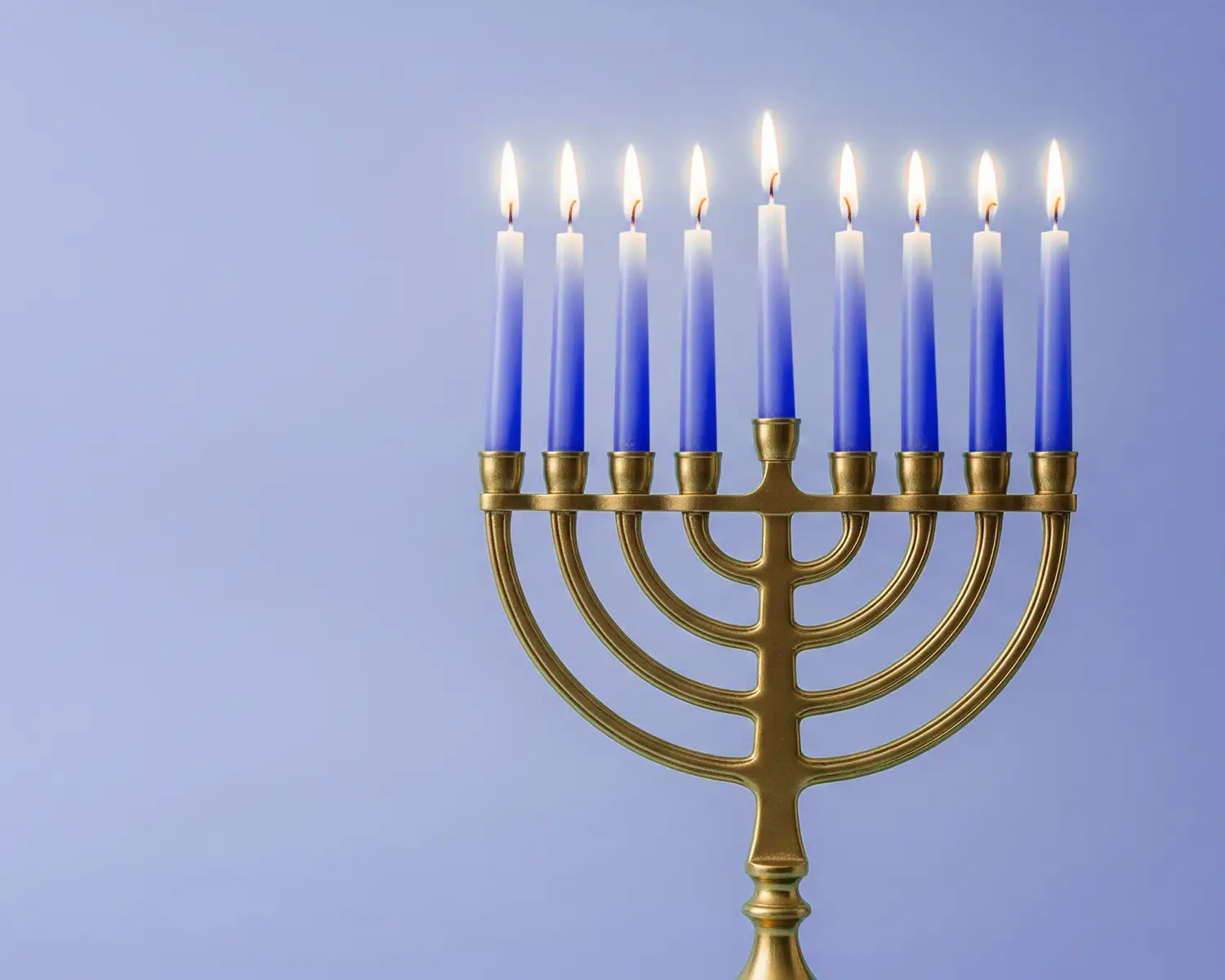
Lighting the menorah works the same way each night: light the shamash first, then use it to light the Hanukkah candles, from left to right, adding one more than the night before. If you want the step-by-step breakdown, along with the blessings themselves, our Hanukkah for beginners guide and our main Hanukkah page both walk you through it.
What about Shabbat?
Every Hanukkah includes at least one Shabbat, and this is the one piece of timing worth knowing in advance. Because you’re not supposed to light a flame once Shabbat has begun, the Hanukkah candles go up first, before the Shabbat candles, a little earlier in the evening than usual. Then the Shabbat candles. That’s it. Now you get to be the person who knows which candles go first.
Songs for the eight nights
The classic is Maoz Tzur (mah-OHZ tsoor), meaning “Rock of Ages,” a centuries-old hymn traditionally sung right after candle lighting. The English version called ‘Rock of Ages’ takes some creative liberties with the original, and it’s the one most American Jews half-remember from childhood. Beyond that, Hanukkah songs range from genuinely ancient to deeply goofy, and the goofy ones are usually the ones kids actually want. Our free booklet includes all the Hanukkah classics, so you don’t have to fake your way through the second verse of anything.
The food and the dreidel, briefly
The traditional foods of Hanukkah are fried – and that’s the point. Latkes, also called potato latkes or potato pancakes, come with applesauce or sour cream depending on which side of that argument your family is on. Sufganiyot (soof-gahn-ee-YOTE) are basically jelly doughnuts. Beyond those two, any fried foods qualify, so nobody will stop you from serving onion rings. Our food section has recipes.
The dreidel is a four-sided spinning top, called a sevivon (seh-vee-VOHN) in Hebrew, with a Hebrew letter on each side: nun, gimel (sometimes spelled gimmel), hei, and shin. Together they stand for nes gadol haya sham (ness gah-DOLE hah-YAH shahm), “a great miracle happened there.” Fun fact: In Israel, the shin is replaced with a peh, changing the phrase to nes gadol haya po – “a great miracle happened here.” Same miracle, different geography.
In the dreidel game, each letter tells you whether to take from the pot, add to it, take half, or do nothing. People usually play for gelt, which, by the way, is Yiddish for money.
FAQs
Is Hanukkah a major Jewish holiday?
Technically, no. When it comes to important Jewish holidays, Rosh Hashanah and Yom Kippur are the heavy hitters, with synagogue services, fasting on Yom Kippur, and traditional restrictions on work. Hanukkah? No fasting, no work restrictions, and no synagogue attendance required. It’s an easy-to-celebrate Jewish holiday that mostly happens at home, with candles, delicious food, family traditions, and plenty of opportunities to make it your own. Hanukkah may get all the publicity, but in the Jewish holiday lineup, it’s more of a supporting character with excellent PR.
How many candles do I need for all eight nights?
Forty-four per menorah, counting the shamash each night. Some boxes include a few extras, which you’ll appreciate the first time one snaps in half.
Why are there so many spellings?
Why are there so many ways to spell Hanukkah? Because Hanukkah is a Hebrew word, and Hebrew uses a completely different alphabet. Hanukkah, Chanukah, and other spellings are all attempts to capture the same Hebrew pronunciation in English. So which spelling is correct? All of them. Finally, a Jewish question with no wrong answer.
Happy Hanukkah
Eight nights. Forty-four candles. Enough oil to fry just about anything. Happy Hanukkah!