Rosh Hashanah is the Jewish New Year. It’s a chance to reflect, reset, and begin again. May this new year bring you sweetness and strength. Let’s get started!
What is Rosh Hashanah?
Rosh Hashanah is the Jewish New Year. (It translates to “Head of the Year” in Hebrew.) It’s a little like December 31st, but without the champagne. (Together, Rosh Hashanah and Yom Kippur are known as the High Holidays, aka High Holy Days – and to many people they are the most important Jewish holidays of the year.)
At its core, Rosh Hashanah is about cleaning up your life so you can begin the new year with a fresh slate. It’s a time to look back on the past year, celebrate where you showed up well, own where you didn’t, and decide how you want to move forward.
At JewBelong, we think of Rosh Hashanah as the trifecta of forgiveness: apologizing, forgiving, and receiving forgiveness. Making amends with the people you love, and extending that same grace to yourself, can be one of the most powerful parts of the holiday.
When is Rosh Hashanah 2026?
In 2026, Rosh Hashanah begins at sundown on Friday, September 11th, and ends at sundown on Sunday, September 13th. If you’ve ever wondered why Jewish holidays seem to wander around the calendar, it’s because Judaism follows the moon, not the sun. And because Judaism likes to get an early start, holidays begin at sundown the evening before the date on your Google, Outlook, or Apple calendar. Many Jews celebrate by going to synagogue, sharing festive meals with family and friends, and taking the first full day of the holiday off from work or school.
Do I Need to Go to Synagogue to Celebrate the High Holidays?
The short answer is no. But there is something wonderful about celebrating in a community. The prayers are beautiful, the sermons can be thought-provoking, and hearing the shofar (a ram’s horn blown on Rosh Hashanah) is cool AF.
That said, Judaism doesn’t only happen inside a synagogue. That’s why JewBelong puts so much love into our free High Holidays Booklet: so everyone, whether they’re in a sanctuary, around a kitchen table, or celebrating on their own, can have a meaningful holiday.
A few High Holidays traditions you won’t want to miss:
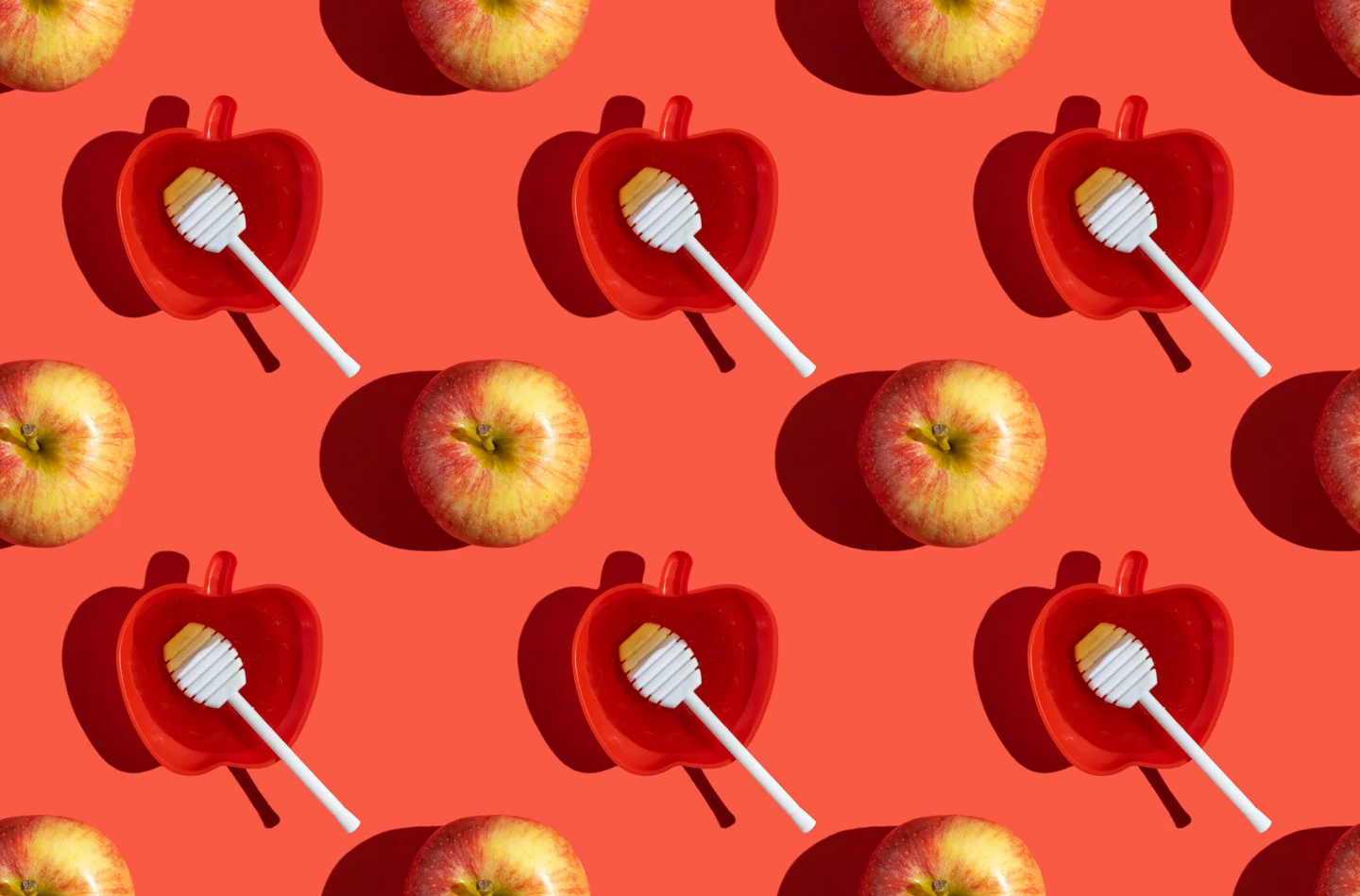
• Apples and honey: Dipping apples in honey symbolizes the hope for a sweet New Year. It’s also delicious!
• JewBelong’s Personal Roadmap: If you’re like, well, everyone, there are probably things you’d like to change about yourself. Our Personal Roadmap helps you get honest with yourself by asking questions like: If I knew I couldn’t fail, what would I try to accomplish? What important decision did I avoid making last year? For many of us, it’s the most meaningful part of the holiday. It can be genuinely transformative, especially if you share your answers out loud with someone you trust. More on page 10 in JewBelong’s free High Holidays booklet!
• Tashlich: Tashlich means “to cast” in Hebrew, as in casting your sins into water. It’s one of the lesser-known but most meaningful High Holidays rituals and absolutely worth experiencing. More on page 19 in JewBelong’s free High Holidays booklet!
• L’Shanah Tovah: This is the Hebrew way to say “Happy New Year.” (“Shanah” means year. “Tovah” means good.) Or just say “Happy New Year” if Hebrew isn’t your thing.
Wishing you a happy and healthy new year! L’Shanah tovah!
If you want to print this cheat sheet out you can download a PDF here!