Yom Kippur, the Day of Atonement, is the holiest day of the Jewish year. If you’ve ever sat in synagogue wondering what’s happening or why everyone knows the Yom Kippur prayers, you’re not alone. You don’t need to know every prayer, ritual, or tradition to have a meaningful Yom Kippur. A little context goes a long way.
Looking for an overview of Yom Kippur, the Day of Atonement, its history, prayers, blessings, and traditions? Start here. This guide explains the major Yom Kippur prayers and blessings so you can follow along in synagogue, understand the High Holy Days, feel less lost, and maybe even feel something. Which, TBH, is the whole point.
Your Yom Kippur Prayer Book
Before we get to the Yom Kippur prayers, let’s talk about the prayer books.
Most Jewish holidays use a siddur (SID-ur), the standard Jewish prayer book. But on Yom Kippur and Rosh Hashanah, Jews use a special High Holiday prayer book called the machzor (MACH-zor). It’s packed with the Yom Kippur prayers, Rosh Hashanah prayers, blessings, readings, and poems unique to the High Holy Days.
Most synagogues provide machzorim (the plural of machzor), so there’s no need to bring your own. Many also include Hebrew, English translations, and transliterations, making it much easier to follow the Yom Kippur service.
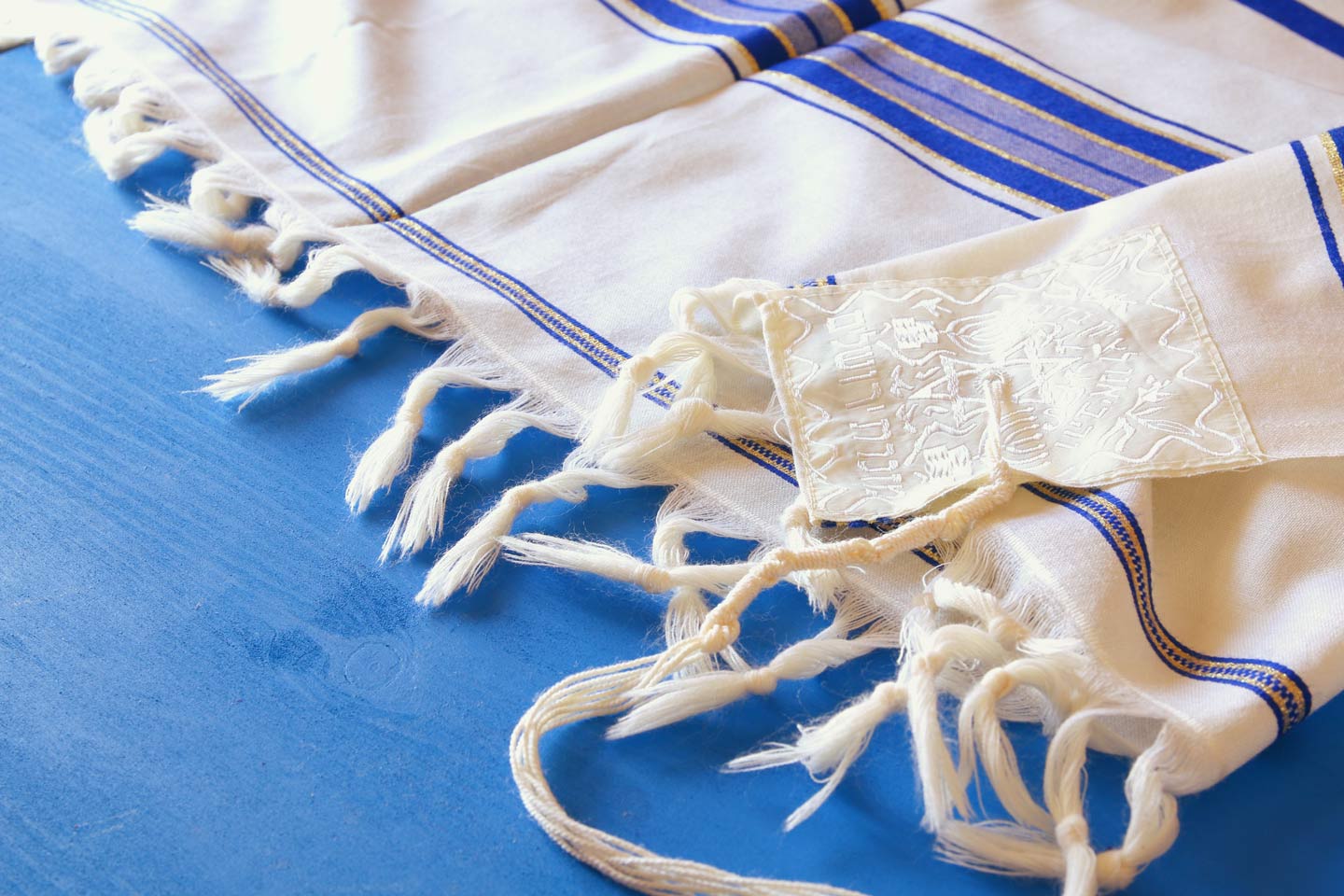
You’ll also notice many people wearing a tallit (tah-LEET), the Jewish prayer shawl. Yom Kippur is one of the only times a tallit is traditionally worn for an evening service, making the Kol Nidrei service feel even more powerful.
The Major Yom Kippur Prayers
Yom Kippur services last most of the day, so here’s a quick guide to the major Yom Kippur prayers you’ll hear in synagogue and why they matter.
Kol Nidrei
Kol Nidrei (kole nih-DRAY) opens Yom Kippur on the evening of the Day of Atonement. Although it’s technically a legal declaration rather than a prayer, it’s one of the most powerful and recognizable moments in Judaism. Kol Nidrei focuses on vows made before God, reminding us to take our commitments seriously. Its haunting melody has made the Kol Nidrei service the emotional centerpiece of Yom Kippur for centuries. Even Jews who only go to synagogue once a year often come for Kol Nidrei.
The Shema
The Shema (shuh-MAH) is Judaism’s central prayer: “Hear, O Israel: the Lord is our God, the Lord is One.” The Shema is recited throughout Jewish prayer services all year, but on Yom Kippur it carries extra meaning. You’ll hear it several times during Yom Kippur services, including at Neilah, the closing service that ends the Day of Atonement.
The Shehecheyanu
At JewBelong, we think of the Shehecheyanu (sheh-heh-cheh-YAH-noo) as a catch-all/generic prayer for gratitude. The translation is that we thank God (or spirit or whatever you believe) for giving us life, sustaining us, and allowing us to arrive at this moment. On Yom Kippur, it’s traditionally recited at the beginning of the holiday, often during the Kol Nidrei service. It’s a surprisingly hopeful prayer for such a serious day.
The Amidah
The Amidah (ah-mee-DAH), which literally means “standing,” is the central prayer of every Jewish service and is recited silently while, you guessed it, standing. Some people think of it as Judaism’s core conversation with God: a series of blessings that include praise, gratitude, and personal requests. On Yom Kippur, the Amidah expands with special prayers of confession, repentance, forgiveness, and atonement that are unique to the Day of Atonement. You’ll encounter it multiple times throughout the day across the morning (Shacharit), additional (Musaf), afternoon (Mincha), and closing (Neilah) services.
Avinu Malkenu
Avinu Malkenu (ah-VEE-noo mahl-KAY-noo), meaning “Our Father, Our King,” is one of the best-known Yom Kippur prayers and High Holy Day prayers. It’s a series of short prayers asking God for forgiveness, mercy, compassion, and a good new year. Even if you don’t understand the Hebrew, the melody does a lot of the heavy lifting.
Ashamnu
Ashamnu (ah-SHAHM-noo) is the communal confession prayer recited during Yom Kippur services. Instead of confessing only our own sins, Jews confess together, taking responsibility as a community. As the Ashamnu prayer is recited, it’s traditional to gently tap your chest over your heart. It’s one of the most powerful, humbling, and surprisingly cathartic moments of the Day of Atonement.
Musaf
The Musaf (moo-SAHF) service is the additional service that follows the Torah reading on Yom Kippur. It includes the Avodah, a retelling of the ancient Temple service, and is one of the longer portions of the day. This is a good time to have that machzor handy.
Torah Reading
The Torah reading on Yom Kippur morning covers themes of holiness, ethical living, and mitzvot, the commandments that guide Jewish life. The afternoon Torah reading includes the Book of Jonah, which is actually a pretty great story about accountability and second chances. Very on brand for Yom Kippur.
Neilah
Neilah (neh-ee-LAH) is the closing service of Yom Kippur and one of the most powerful moments in the Jewish calendar. The word means “closing,” referring to the symbolic closing of the gates of heaven at the end of the Day of Atonement. The energy in the synagogue shifts. People who have been sitting all day stand. The Yom Kippur prayers feel more urgent. Neilah ends with one long, loud blast of the shofar (SHOW-far), the ram’s horn, marking the end of Yom Kippur. The shofar is meant to wake us up spiritually, shake us out of complacency, and send us into the new year ready to do better. Trust us, you’ll feel that blast in your bones.
Yizkor: Memorial Prayers
Yizkor (YIZ-kor) is the Jewish memorial service held on Yom Kippur, as well as several other Jewish holidays, and the central memorial prayer of the service. It’s a time to remember and honor parents, family members, and other loved ones who have died. In many synagogues, people also recite the Mourner’s Kaddish (KAH-dish). Despite its name, Kaddish isn’t really about death. It’s about affirming life, faith, memory, and finding the strength to keep going after loss.
If you’ve lost someone, Yizkor can be one of the most emotional moments of Yom Kippur. If you haven’t, many synagogues welcome everyone to stay in solidarity. Either way, tissues are a very good idea.
Frequently Asked Questions
What is the difference between a siddur and a machzor?
A siddur is the standard Jewish prayer book used throughout the year for regular services. A machzor is the special High Holiday prayer book used on Rosh Hashanah and Yom Kippur. The machzor includes all the additional prayers, poems, and readings specific to this holiest time in the Jewish calendar. Most synagogues provide them, so don’t stress about showing up empty-handed.
What is teshuvah and how does it relate to Yom Kippur prayers?
Teshuvah (teh-SHOO-vah) means repentance or return, and it’s the spiritual engine behind everything that happens on Yom Kippur. The prayers of the day, from Kol Nidrei to Neilah, are all designed to support the process of teshuvah: looking honestly at where you’ve fallen short, apologizing, making amends, and committing to do better. It’s less about guilt and more about growth.
Do I need to understand Hebrew to participate in Yom Kippur services?
Not at all. Most machzorim include transliterations and English translations, and many synagogues offer explanations throughout the service. The emotional experience of Yom Kippur doesn’t require fluency in Hebrew. Showing up, paying attention, and being willing to reflect is more than enough.
What is selichot and how does it relate to Yom Kippur?
Selichot (seh-lee-CHOTE) are penitential prayers recited in the days leading up to Yom Kippur, with Ashkenazi communities beginning several days before Rosh Hashanah and Sephardic communities beginning at the start of Elul. Think of them as a warm-up for the spiritual work of the Day of Atonement. Some communities hold a late-night Selichot service that is a beautiful and often overlooked way to ease into the High Holiday season.
Are Yom Kippur prayers the same across all Jewish denominations?
The core prayers like Kol Nidrei, the Shema, Avinu Malkenu, and Neilah appear across denominations, but the melodies, translations, and additional readings can vary quite a bit. Reform, Conservative, Orthodox, and Reconstructionist communities each bring their own flavor to the liturgy. The bones are the same. The seasoning differs.
JewBelong’s free No-Jewbarrassment High Holidays guide
JewBelong’s free No-Jewbarrassment High Holidays guide has everything you need for Rosh Hashanah and Yom Kippur: prayers, blessings, traditions, readings, and plain-English explanations. Whether you’re brand new to the High Holy Days or just a little rusty, it’ll help you feel more connected, more confident, and a whole lot less Jewbarrassed.