
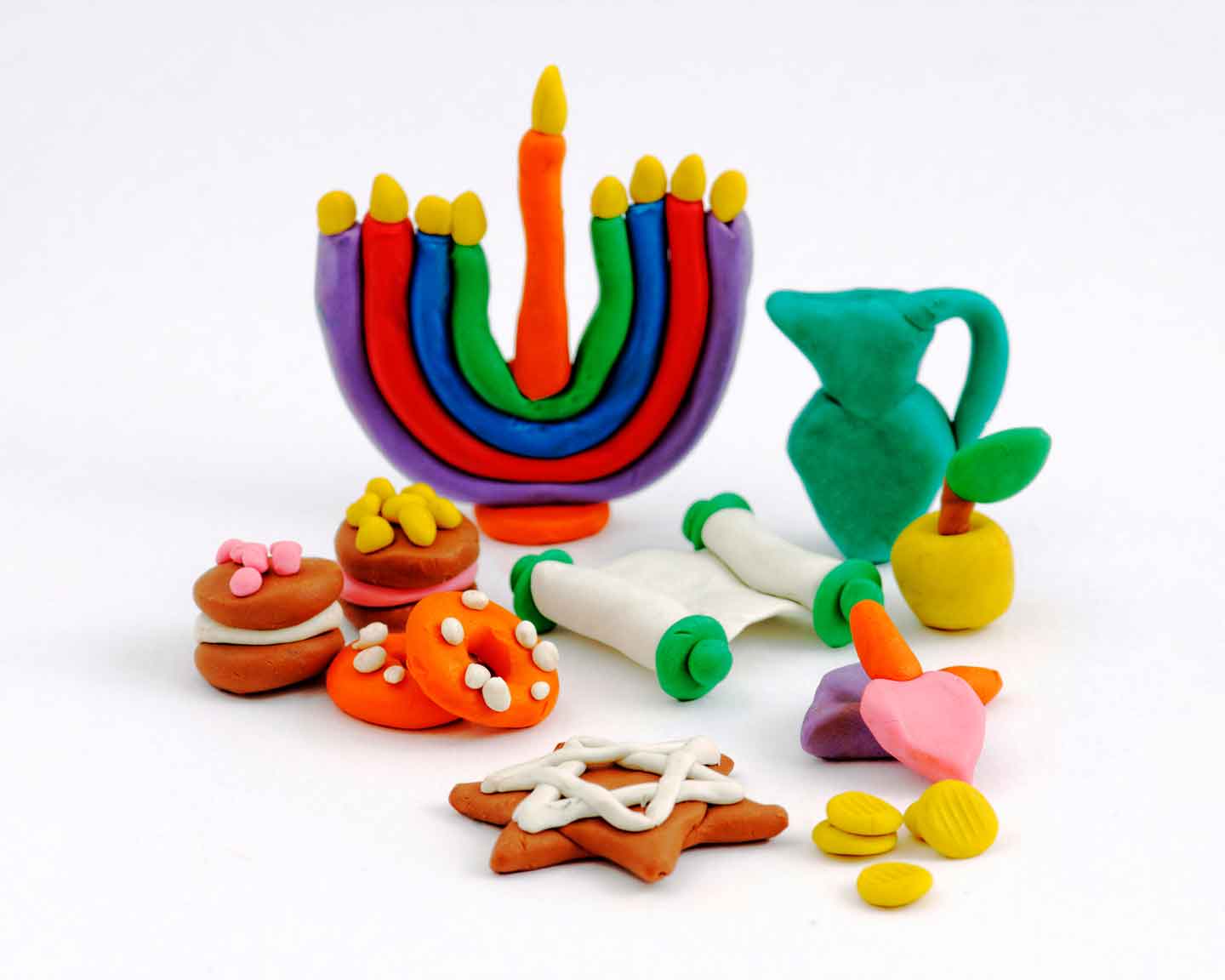
New to Hanukkah, or just want a refresher before the holiday season kicks off? Here’s your no-JewBarrassment® guide!
Head to JewBelong’s Hanukkah page for traditional blessings and more.
You can also download our free Hanukkah booklet for blessings, readings, two fantastic skits and more!
What is Hanukkah?
Hanukkah (sometimes spelled Chanukah) is an eight-night Jewish holiday celebrating religious freedom, Jewish identity, and a famous miracle involving oil – all tied to the rededication of the ancient Jewish Temple in Jerusalem after a group of fighters called the Maccabees took it back from the Greeks. That’s the short version. Read the full Hanukkah story here if you want the details (it’s a good one, badass Maccabees and all). Or watch JewBelong’s original version here
How to light the menorah
The most iconic Hanukkah tradition is lighting candles for eight nights. Here’s what you need to know.
Menorah vs. hanukkiah

What most people call a Hanukkah menorah is technically a hanukkiah (hahn-oo-KEY-uh). It has nine branches – one for each of Hanukkah’s eight nights, plus an extra for the candle used to light the others, called the shamash. Pretty much everyone else calls it a menorah though.
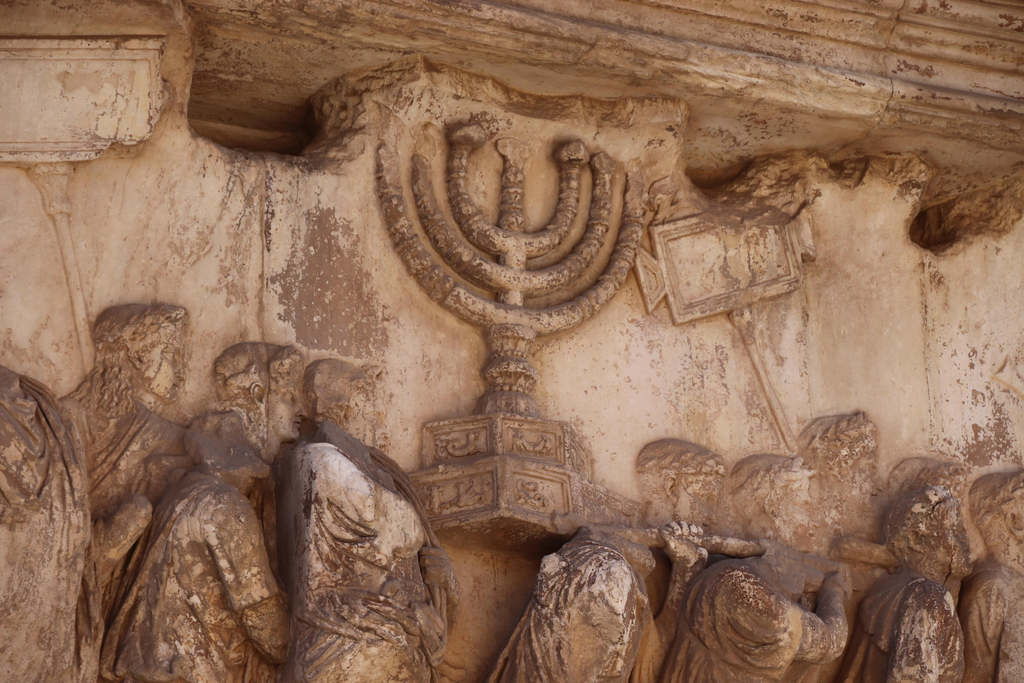
The original candelabra had seven branches, not nine like the one we use for Hanukkah. It stood in the ancient Jewish Temple in Jerusalem and became one of the most recognizable symbols of Judaism. It’s been a symbol of Jewish identity for thousands of years and even appears on Israel’s official national emblem. Nobody knows where the original seven-branched menorah is today.
The shamash
That extra candle we mentioned is the shamash (pronounced “shah-MAHSH”), meaning “helper.” Its job is to light all the other candles. It usually sits higher or in a separate spot on the menorah so it stands out from the rest.
How lighting works, night by night
On night one, place one Hanukkah candle on the far right side of the menorah. On night two, add a new candle to its left, and keep adding candles from right to left each night until all eight are in place. When it’s time to light them, go in the opposite direction: light the shamash first, then use it to light the newest candle first, moving from left to right. So on night one, you light one candle; on night two, two candles; and so on, until all eight are glowing on the final night.
Place your menorah near a window if you can (so the light is visible from outside), then say the blessings before lighting each night (you can find the full traditional and modern versions on our main Hanukkah page). That visibility is part of the point: part of the tradition of pirsumei nisa, publicizing the miracle. We like to think of it as sharing the light.
And yes, electric menorahs totally count for spreading Hanukkah light in your window, especially where open flames aren’t the best idea (such as near curtains!).
Traditional Hanukkah foods
Hanukkah commemorates a miracle involving oil, so naturally, the food tends to be fried. Very fried. Also, delicious.
Latkes

Latkes, also known as potato pancakes or potato latkes, are made from grated potatoes, onion, egg, and a bit of flour or matzo meal. Top them with applesauce, sour cream, or both if you’re not picking sides. If you want latke recipes to try at home, check these out.
Sufganiyot
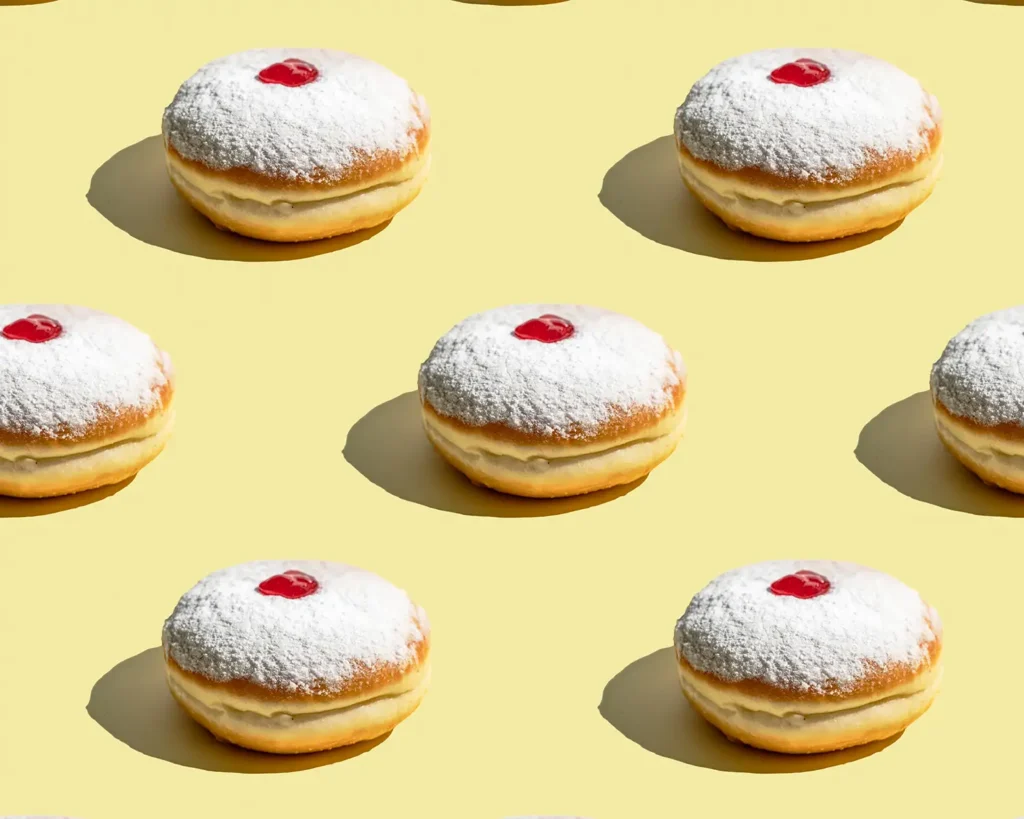
Sufganiyot (pronounced “soof-gahn-ee-YOTE”) are jelly doughnuts, and they’re a beloved Hanukkah treat. Any fried food fits the spirit of the holiday honestly, so don’t feel limited to just latkes and donuts if you want to get creative.
How to play dreidel

A dreidel is a four-sided spinning top with a Hebrew letter on each side, and playing dreidel is a classic Hanukkah pastime, especially for kids (or adults who enjoy low-stakes gambling with chocolate).
Each player starts with a pile of gelt (more on that below) or other small tokens. Everyone antes into a pot, then takes turns spinning. Depending on which Hebrew letter lands face up, you either take from the pot, add to it, take half, or do nothing and pass the dreidel along. It’s simple to learn, a little slow-paced if we’re being honest, but a nice low-key way to bring people together during the holiday.
Fun fact: Outside Israel, the letters stand for Nes Gadol Haya Sham (“A great miracle happened there”); in Israel, the last letter changes from shin to peh for Nes Gadol Haya Po (“A great miracle happened here”). Because, well, it did.
Gelt and gift-giving

Gelt is Yiddish for money. Traditionally, coins were given as Hanukkah gifts, particularly to children, teachers, students, and those in need. Today, chocolate coins wrapped in gold or silver foil are a favorite Hanukkah treat.
Gift-giving: Some families exchange gifts all eight nights. Others go big on one night and keep the rest small. Some skip gifts altogether and do something fun instead. The good news? There are no Hanukkah gift-giving police. Do what works for your family, skip the guilt, and remember: Eight nights of presents is not a Jewish commandment. You’re welcome.
Hosting a Hanukkah party
Ready to host your own celebration? Here’s what a simple Hanukkah party usually includes:
- A menorah for lighting (with enough candles to last all eight nights)
- Fried food, obviously (latkes, sufganiyot, or both)
- Dreidels and gelt for playing
- Music, if you’re feeling festive
- Family and friends, whether that’s a big group or an intimate gathering at home
You don’t need a synagogue because Hanukkah traditions traditionally happen right at home.
FAQs
Where is Hanukkah celebrated?
Jewish communities around the world celebrate Hanukkah, not just in Israel or the United States. Wherever there’s a Jewish community, chances are you’ll find menorahs lit that week.
What’s the difference between Hanukkah and other Jewish holidays like Passover or Rosh Hashanah?
Every Jewish holiday has its own meaning and traditions. Passover centers on the exodus from Egypt, Rosh Hashanah marks the Jewish new year, and Hanukkah celebrates the rededication of the Temple and the miracle of the oil. They’re distinct celebrations with different foods, rituals, and meanings, though they share a common thread of Jewish history and resilience.
What Hebrew letters are on the dreidel, and what does “nun” mean?
The four Hebrew letters on a dreidel are nun, gimel, hei, and shin (outside of Israel), which together stand for a phrase meaning “a great miracle happened there.” In Israel, shin is replaced by peh, making it Nes Gadol Haya Po, “a great miracle happened here.” Nun (pronounced “noon”) is the letter that means “do nothing” during gameplay, so if you land on it, you simply pass the dreidel along.
Can non-Jews celebrate Hanukkah?
Absolutely. If you’ve been invited to a Hanukkah celebration, or you’re part of an interfaith family, you’re welcome to join in, help light candles, eat latkes, and play dreidel right alongside everyone else. JewBelong exists for exactly this: making Jewish traditions feel accessible and welcoming to everyone, regardless of background. Nobody needs a special invitation to enjoy some fried food and good company.
Happy Hanukkah!
That’s the beginner’s rundown. Light the menorah, eat more fried food than you probably should, play a little dreidel, and enjoy the season. And don’t forget to download our free Hanukkah booklet for readings, skits, and more!


