

There’s a dangerous sentence a lot of people still believe:
“Antisemitism isn’t really a problem in America.”
That would probably come as news to Jewish students hiding Stars of David on campus. Or to synagogues needing armed security. Or to Jewish parents trying to explain to their kids why someone screamed at them in public for existing while Jewish.
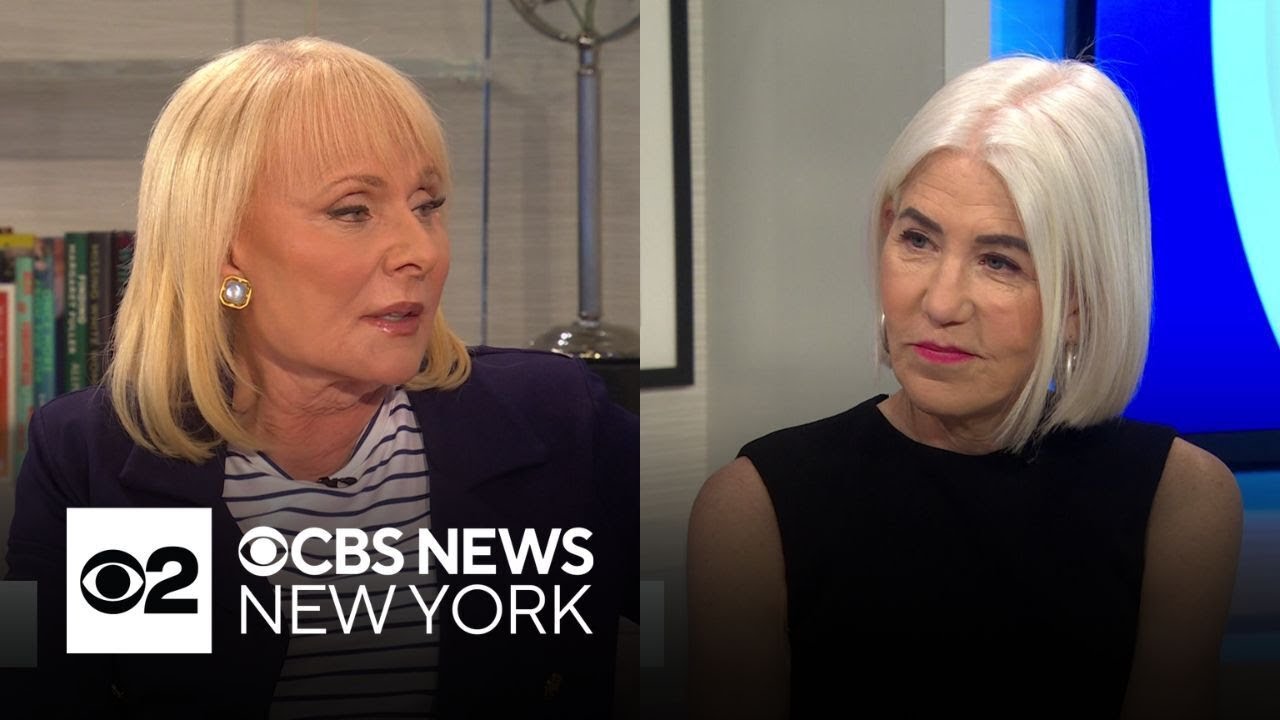
In a powerful interview on CBS News New York, originally aired on May 10, 2026, JewBelong co-founder Archie Gottesman sat down to talk about the rise of antisemitism in America, why so many people still underestimate it, and why silence is the worst possible response.
The conversation is emotional, direct, occasionally uncomfortable, and honestly, necessary.
If you’re wondering what you can actually do to push back against antisemitism, support Jewish communities, speak up as an ally, or help create change in your own circles, JewBelong created an Action Plan with concrete ways to get involved.
Because awareness matters. But action matters more.
Explore the JewBelong Action Plan here:
JewBelong Action Plan
Antisemitism Is No Longer Hiding
For a long time, many American Jews believed this country was different.
Not perfect, obviously. But different.
Antisemitism felt fringe. Like something mostly confined to internet weirdos, extremists yelling into microphones, or history books your teacher made you read in 10th grade.
That illusion has cracked.
In the interview, Archie talks about how antisemitism has become more public, more aggressive, and more normalized in everyday life. Not just online. Not just overseas. Here. In America. In schools. On campuses. In neighborhoods. On public transportation. Outside synagogues.
And increasingly, people seem strangely comfortable excusing it.
One of the most chilling parts of the conversation is the idea that attacks against Jews are often treated differently than attacks against other minority groups. There’s more hesitation to condemn it. More explaining away. More “yeah, but…”
That hesitation has consequences.
Why JewBelong Uses Billboards
People sometimes laugh when they first hear about JewBelong’s billboard campaigns.
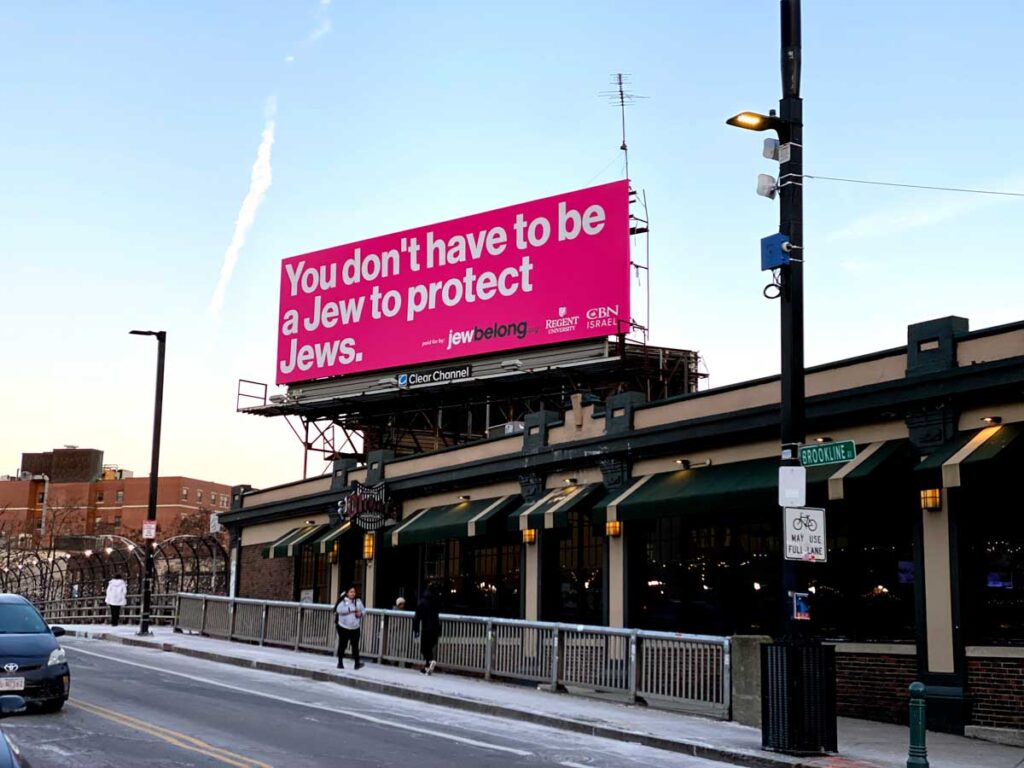
Until they see one.
There’s something about being stuck in traffic and suddenly seeing a giant pink billboard that says:
“You don’t have to be a Jew to protect Jews.”
It cuts through the noise because it doesn’t sound institutional or political. It sounds human.
During the interview, Archie shares a story from Atlanta about a non-Jewish girl sitting in the backseat of a car who saw one of the billboards. Afterward, she texted her Jewish cousin just to ask if she was okay.
That small moment became a conversation about antisemitism inside an ordinary American family.
That’s the goal.
JewBelong is trying to reach everyday people before hate becomes background noise they stop noticing.
Most People Don’t Hate Jews. But Many Don’t Realize What’s Happening.
One of the most important things Archie talks about in the interview is what JewBelong calls the “mushy middle.”
Not hardcore antisemites. Not activists spending all day screaming online. Just regular people who may not know much about antisemitism and don’t realize how bad things have gotten.
The people driving past the billboards.
The people watching the news while making dinner.
The people who would care if they understood what was happening.
And the truth is, many genuinely do not know.
JewBelong has done studies measuring public opinion before and after people see the billboards. The results show that awareness about antisemitism as an urgent issue rises significantly after exposure to JewBelong’s billboard campaign.
The most common reaction?
“I didn’t realize it was this bad.”
Exactly.
October 7 Didn’t Create Antisemitism. It Exposed It.
The interview also addresses what many Jews experienced after October 7: a terrifying realization that antisemitism was sitting much closer to the surface than people wanted to believe.
Suddenly, rhetoric that once would have been shocking became normalized almost overnight. Jewish people watched protests, social media posts, slogans, and public commentary become openly hostile in ways that felt deeply familiar historically.
Archie makes an important distinction during the interview. Criticizing the Israeli government is not antisemitism. Jews themselves debate Israeli politics constantly. Loudly. It’s basically an Olympic sport.
But blaming random Jewish people in America for world events, targeting Jewish students, vandalizing synagogues, or making Jews feel unsafe because of Israel crosses a line that somehow keeps getting blurred in public conversation.
That blurring is dangerous.
“We Thought We Were Safe Here.”
There’s a moment in the interview that lands especially hard.
Archie says that American Jews “went to sleep.”
Meaning: many Jews truly believed America had moved beyond this level of antisemitism. That whatever horrors happened in Europe couldn’t happen here. That society had learned enough from history to recognize where unchecked hate leads.
Now, that confidence feels shaken.
You can hear it in conversations Jewish families are having everywhere:
Should my kids wear Jewish jewelry publicly?
Is this school safe?
Should we go to synagogue?
Should we say something or stay quiet?
Will speaking up make things worse?
Those are not normal questions for people to be asking in America in 2026.
And yet here we are.
Why Allyship Matters
One of the strongest themes throughout the interview is allyship.
JewBelong works closely with churches, Christian leaders, and faith communities across the country who are willing to stand publicly with Jews even when it may bring criticism.
That matters because antisemitism cannot only be fought by Jews talking to other Jews.
It requires non-Jewish people saying:
“This is wrong.”
“This matters.”
“You are not alone.”
And honestly? That kind of support means more than people realize.
The Bracelet Says Everything
Near the end of the interview, Archie shares a bracelet that reads:
“I need to be able to tell my children I did not stay silent.”
That line kind of says everything.
Years from now, people are going to look back at this moment and ask what their friends, neighbors, schools, companies, religious leaders, and communities did while antisemitism surged again.
Did they speak up?
Did they stay silent?
Did they look away because it felt uncomfortable?
Did they convince themselves it wasn’t really happening?
Jewish history does not exactly give us great outcomes when people choose silence.
Why This Interview Matters
This conversation isn’t really about politics. It’s about whether Jews deserve to feel safe being visibly Jewish in America.
It’s about whether antisemitism should be treated as a real and urgent problem instead of something people awkwardly tiptoe around.
It’s about whether ordinary people are willing to care before things get worse.
And it’s about refusing to normalize hate simply because it has become common.
Because common does not mean acceptable.
Watch the Full Interview
Watch the full CBS News New York interview with Archie Gottesman above. The conversation is a powerful reminder that antisemitism is not theoretical, historical, or someone else’s problem. It is happening now, and silence only helps it spread.
Then take the next step.
If you’re wondering what you can actually do to push back against antisemitism, support Jewish communities, speak up as an ally, or help create change in your own circles, JewBelong created an Action Plan with concrete ways to get involved.
Because awareness matters. But action matters more.
Explore the JewBelong Action Plan here:
JewBelong Action Plan