
So you’ve been invited to a Shabbat dinner. Or maybe you’re thinking about hosting a Shabbat dinner. Either way, you probably have questions and we can help!
Shabbat dinner is a perfect time for a restful dinner after a busy week. Shabbat comes with easy-to-follow instructions, and between the candles, the bread, and the wine, it creates a sacred space. This might sound corny, but we don’t care, cause it’s true.
One of our favorite Shabbat rituals is to fulfill the commandment of hospitality, aka Hachnasat orchim. This means to invite people in, and we mean everyone: Jews, non-Jews, friends, and sometimes strangers. You don’t need to be Jewish, religious, or fluent in Hebrew to show up and have a great time. All you really need is an appetite and a willingness to slow down for a couple of hours. And honestly, that last part is kind of the whole point.
Here’s everything you need to know about Shabbat dinner, whether you’re a guest, a host, or just trying to understand what’s going on.
Shabbat Dinner for Beginners (and Everyone Else)
Shabbat (pronounced shah-BAHT, or shabbos in Yiddish) is the Jewish Day of Rest, observed from Friday sundown to Saturday sundown. Shabbat dinner is the meal that kicks it all off on Friday night, and it’s kind of the main event.
But calling it just a “dinner” doesn’t quite cover it. It’s part meal, part ritual, and part weekly reset. It’s intentional in a way that most weeknight dinners just aren’t. Candles get lit, blessings get said over wine and bread, and then people actually sit, talk, and connect. No rushing. No eating over the sink. No background TV. And definitely no phones at the table!
This tradition goes back thousands of years, and is rooted in the Torah. The reason it’s lasted is simple, it works. One dedicated night a week to pause and connect is a pretty great idea, no matter your background. One thing to know, Shabbat dinner looks different in every home. Some follow every ritual, and every blessing. Others light candles, pour wine or grape juice, and call it a night. Both count.
What to Expect at a Shabbat Dinner
If you’ve never been to a Shabbat dinner, here are the steps. Not everyone does all of them.
Candle lighting happens first, usually before everyone sits. This marks the official start of Shabbat.
Kiddush comes next. This is the blessing over wine or grape juice.
N’tilat Yadayim (hand-washing) happens before the bread. Water over each hand, a short blessing, then a brief silence.
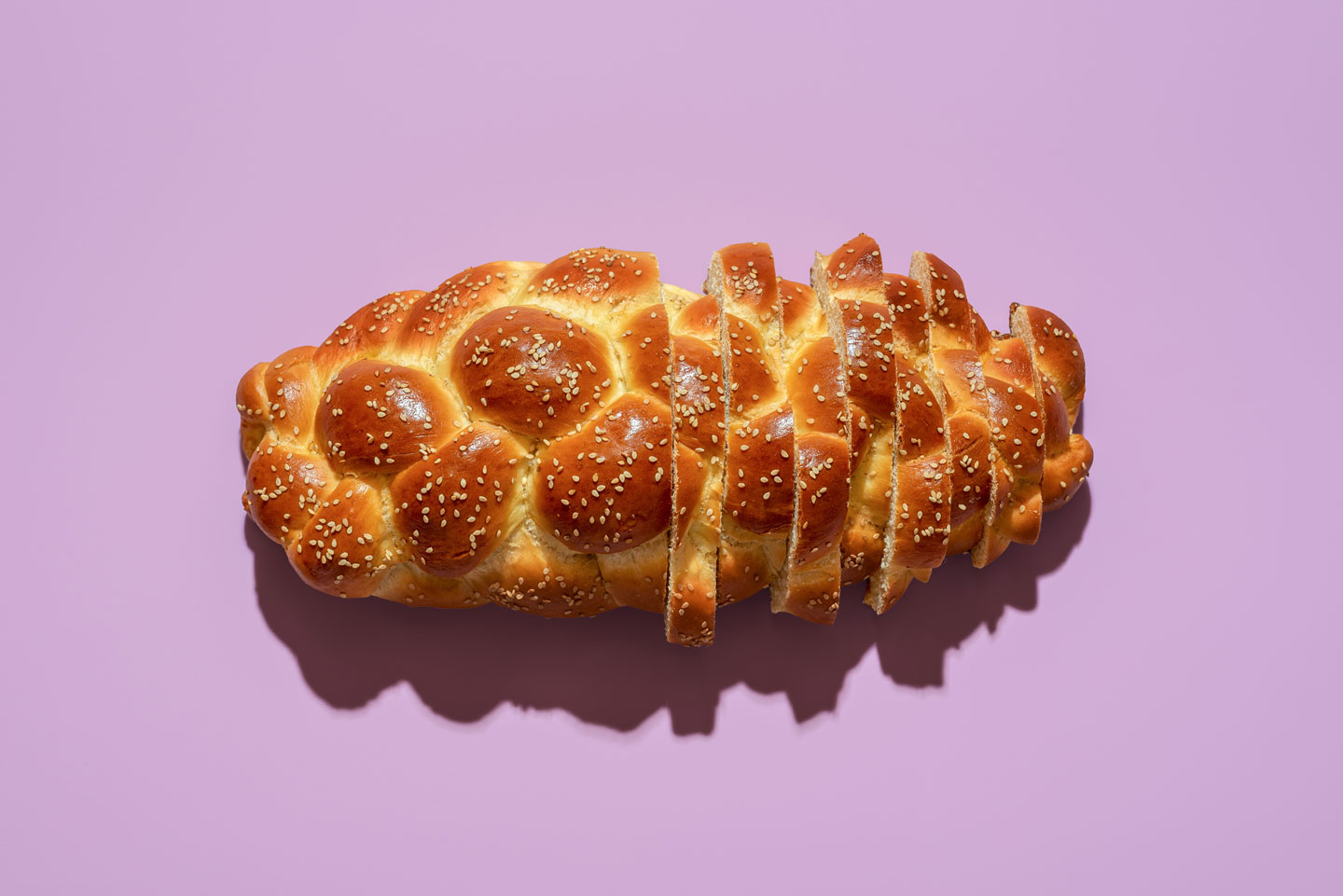
Hamotzi is the blessing over challah (delicious braided bread). This is when the meal officially begins.
The Shabbat dinner meal itself is the longest part. Expect good food, conversation, maybe singing, and no rushing.
What’s on the table varies. Ashkenazi homes might serve gefilte fish, chicken soup, brisket, kugel. Sephardic and Israeli homes might have hummus, Hamin, and spiced dishes. There’s a lot of variation and it’s all delicious!
Birkat Hamazon (grace after meals) sometimes wraps things up.
That’s it!
The Shabbat Dinner Blessings (The Short Version)
If you want a quick Shabbat dinner cheat sheet, here’s the flow:
Candle lighting signals the start of Shabbat
Blessing for the Children is optional
Kiddush is the blessing over wine
Netilat Yadayim is hand washing
Hamotzi is the blessing over challah
Birkat Hamazon is grace after meals
That’s it. Six blessings, one great Shabbat dinner. Looking for the full text? Check out our Guide to Shabbat Blessings!
What to Bring to a Shabbat Dinner
Bringing your host a small gift to Shabbat dinner is a lovely idea. Here are a few ideas:
Wine or grape juice is always a safe bet.
Challah bread is another great option. (Just don’t bring it during Passover.).
Flowers are lovely, but don’t bring bouquets that need arranging before dinner.
Dessert is always welcome. Check to see if the home is kosher.
And bring yourself, on time. Shabbat dinner starts with blessings, and you don’t want to miss them.
What to Wear to a Shabbat Dinner
There’s no universal dress code for a Shabbat dinner. More traditional homes may be more formal. More casual homes might be fine with jeans. If you’re not sure, ask the host. Bonus points if you show up to Shabbat in clothing made in Israel. Looking good and doing good? Very Shabbat.
Shabbat Dinner Do’s and Don’ts
Going to a Shabbat dinner? Here’s how to be a great guest:
Do:
• Arrive on time for Shabbat candle lighting and blessings
• Follow along during the Shabbat dinner prayers
• Ask questions, curiosity is welcome
• Plan to stay and enjoy the full Shabbat dinner experience
Don’t:
• Be on your phone during Shabbat dinner
• Bring up stressful topics or heavy news
• Worry about doing everything perfectly
Show up, be present, be curious. That’s all it takes to be a great Shabbat dinner guest!
How to Host a Shabbat Dinner
You don’t need to be an expert to host a Shabbat dinner. And tbh, sometimes just lighting candles and sharing a meal with intention is all you need for a meaningful Shabbat dinner.
What you need:
• Two candles and holders
• Wine or grape juice
• Challah or bread
• Food for a meal
• People you like
• JewBelong’s Shabbat booklet
That’s it.
Simple order:
1. Light candles
2. Say Kiddush
3. Do Netilat Yadayim
4. Say Hamotzi
5. Eat
6. Optional Birkat Hamazon
For first-timers, print out the blessings so everyone can follow along.
One Last Thing
Shabbat dinner is one of those rare traditions that actually delivers. It gives you a built-in reason to slow down, gather, and be present.
Whether you’re going as a guest or hosting for the first time, you’re going to get something out of it. And if you want backup at the table, JewBelong’s free Shabbat booklet has everything you need to feel confident, prepared, and actually enjoy it.