
Yom Kippur (yome ki-POOR) falls on September 29–30 and starts at sundown. It’s the holiest day on the Jewish calendar and is known by many Jewish people as the Day of Atonement. To learn more about Yom Kippur keep reading and then check out JewBelong’s Yom Kippur page.
The Days of Awe: From Rosh Hashanah to Yom Kippur
Beginning with Rosh Hashanah, the Jewish New Year, the ten-day period known as the Days of Awe (or in Hebrew, Yamim Nora’im, yah-MEEM nor-ah-EEM) culminates with Yom Kippur.
The central concept of this period is teshuvah (teh-SHOO-vah), a Hebrew word that’s often translated as “repentance” but really means something closer to “return.” The idea is that during these ten days, Jewish people reflect on the past year, reckon with where they’ve fallen short, and try to return to their better selves.
There’s also a well-known piece of Jewish tradition tied to this season: the image of God inscribing each person’s fate in the Book of Life on Rosh Hashanah, with the final verdict sealed on Yom Kippur. It’s a powerful way of saying: the choices you make matter, and there’s still time.
Erev Yom Kippur: The Day Before
Erev Yom Kippur (EH-rev yome ki-POOR, “erev” just means “eve” in Hebrew) is when you eat a big pre-fast meal, complete any last-minute acts of tzedakah (tzeh-dah-KAH, meaning charity or righteous giving), and ask forgiveness from anyone you’ve wronged during the past year.
Candles are lit before sundown, as they are on Shabbat and other Jewish holidays. And then comes Kol Nidrei (kole ni-DRAY), the prayer service held on the eve of Yom Kippur that marks the official beginning of the holy day.
The Yom Kippur Fast
The Yom Kippur fast is one of the most widely observed practices in all of Jewish life. It runs from sundown on the eve of Yom Kippur to nightfall the following day, roughly 25 hours.
Traditional Jewish law outlines five prohibitions for Yom Kippur, all of which are about stepping back from physical comfort and pleasure:
- No eating or drinking (including water)
- No bathing or washing
- No lotions or cosmetics
- No leather shoes
- No sex
The fast is meant to create a physical experience of the day’s seriousness. When your body is uncomfortable, your mind tends to follow. It’s hard to feel casual and distracted when you haven’t eaten.
That said, Jewish law is clear that preserving health comes before observing the fast. If you have a medical condition, are pregnant, are nursing, or are a child, fasting may not be appropriate for you. When in doubt, talk to a doctor and, if you have one, a rabbi. No one should be JewBarrassed for not fasting.
What to Wear (and What Not to Wear)
Two of the most visible Yom Kippur customs are ones you’ll notice the moment you walk into a synagogue: a lot of people are wearing white, and almost nobody is wearing leather shoes.
Why white? White on Yom Kippur is associated with purity, simplicity, and, in some traditions, the white burial shrouds called kittel (KIT-el). It’s a visual reminder that on this day, everyone stands equal before God. Status symbols and fashion statements get set aside. Some people wear a kittel over their clothing during services. Others just wear white or light-colored clothing. There’s no single right way to do it.
Why no leather shoes? Leather shoes have historically been a symbol of luxury and comfort, which puts them in the same category as the other Yom Kippur prohibitions. Many people wear canvas sneakers, cloth shoes, or just go around in socks. It’s one of those customs that looks a little funny from the outside but makes a lot of sense once you understand the reasoning.
The Prayer Services
Yom Kippur has more prayer services than almost any other day on the Jewish calendar. The special prayer book used during the High Holidays is called the Machzor (MAHKH-zor), and synagogues and congregations follow it throughout the day.
Kol Nidrei is the prayer service held the night before Yom Kippur begins and is probably the most recognized moment of the entire holiday. Kol Nidrei (which means “all vows” in Aramaic) is actually a legal formula, not a prayer. It’s a declaration that annuls vows made in the coming year that a person might not be able to keep. The haunting melody it’s chanted to is one of the most recognizable in all of Judaism. Even people who don’t attend synagogue any other time of year often come for Kol Nidrei.
The next morning brings a full day of services, including the Torah reading, additional prayers, and Yizkor (YIZ-kor), a memorial service for loved ones who have died. Yizkor is also observed on Passover and a few other holidays, and for many Jewish people it’s one of the most emotionally significant parts of Yom Kippur. If you’ve lost someone, being in a room full of people doing the same thing — remembering — is a powerful experience.
The final service of the day is Ne’ilah (neh-EE-lah), which means “closing” in Hebrew. It’s the last chance to pray before the gates, metaphorically, close at the end of Yom Kippur. The energy in the room tends to shift during Ne’ilah: it’s the final push, and people feel it. The service ends with a long, single blast of the shofar (SHOW-far), the ram’s horn, which signals that the fast is over.
Breaking the Fast
That shofar blast is one of the best sounds in Jewish life. The fast is over, and it’s time to eat.
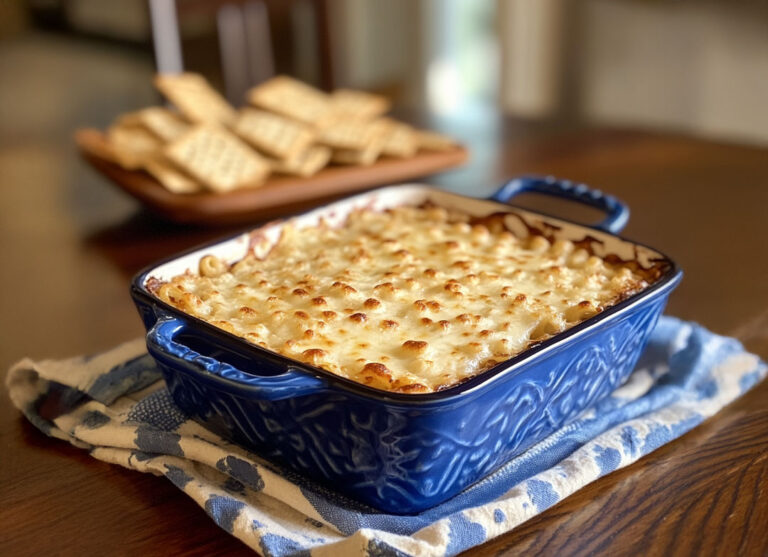
The break-the-fast meal is a beloved tradition. It’s usually dairy-heavy as you can’t cook during the day (think bagels, lox, cream cheese, kugel… the classics), casual, and often shared with family or friends. After 25 hours of fasting and a full day of prayer, the simple act of eating together feels meaningful in a way that’s hard to describe until you’ve done it.
After Yom Kippur ends, the Jewish calendar moves quickly into Sukkot (soo-KOTE), the harvest festival that begins just five days later. But that’s a whole other story.
Want a free resource to help you navigate the High Holidays? Download our free High Holidays booklet. It’s pretty fantastic, and did we mention it’s free?
FAQs
What does “easy fast” mean?
If someone wishes you an “easy fast” before Yom Kippur, they’re wishing you exactly that: a fast that isn’t too hard on your body. It’s the standard Yom Kippur greeting among Jewish people, kind of like saying “happy holidays” but specifically for a day that involves not eating. You can wish it to anyone you know who’s observing, Jewish or not.
What is the Kol Nidrei prayer?
Technically, Kol Nidrei isn’t a prayer at all. It’s a legal declaration in Aramaic (the language of much of the Talmud and other ancient Jewish texts) that releases a person from vows they may have made in the coming year and been unable to fulfill. It’s recited three times at the start of the Yom Kippur eve service, and the melody it’s sung to is one of the most famous in all of Judaism. Many people find it deeply moving even without fully understanding the words. That tracks, honestly.
What is Ne’ilah?
Ne’ilah is the closing service of Yom Kippur, held as the sun is going down at the end of the fast day. The word means “closing” or “locking” in Hebrew, referring to the image of the gates of heaven closing as the holiday ends. It’s the last opportunity for prayer and reflection before Yom Kippur concludes, and the energy during Ne’ilah tends to be intense — people are tired, hungry, and emotionally wrung out in the best way. It ends with the shofar blast that officially closes the holiday.
What happens in the Yom Kippur service?
A full Yom Kippur includes several prayer services spread across the day: Kol Nidrei the evening before, then Shacharit (morning), Musaf (additional), Mincha (afternoon), and finally Ne’ilah at the close. The Machzor, the High Holiday prayer book, guides congregations through all of it. The Torah is read, confessional prayers are recited (collectively, not individually), Yizkor is held for those who have lost loved ones, and the whole day builds toward that final shofar blast. It’s a long day, but most people who’ve been through it will tell you it’s worth it.